UX designer and AI systems architect — building tools that make complex workflows precise, navigable, and scalable.
Over a decade inside publishing houses gave me deep fluency in the kind of complexity that breaks most tools. When AI threatened to make that expertise obsolete, I mapped every failure point and built a pipeline to fix them. That instinct — diagnose the system, then redesign it — runs through everything I make.
Three AI engines in sequence — pre-translation diagnostics, translation with hallucination safeguards, and a 13-pass post-translation editorial review. Built by a translator who mapped every failure point in what AI was producing and engineered a system to fix them.
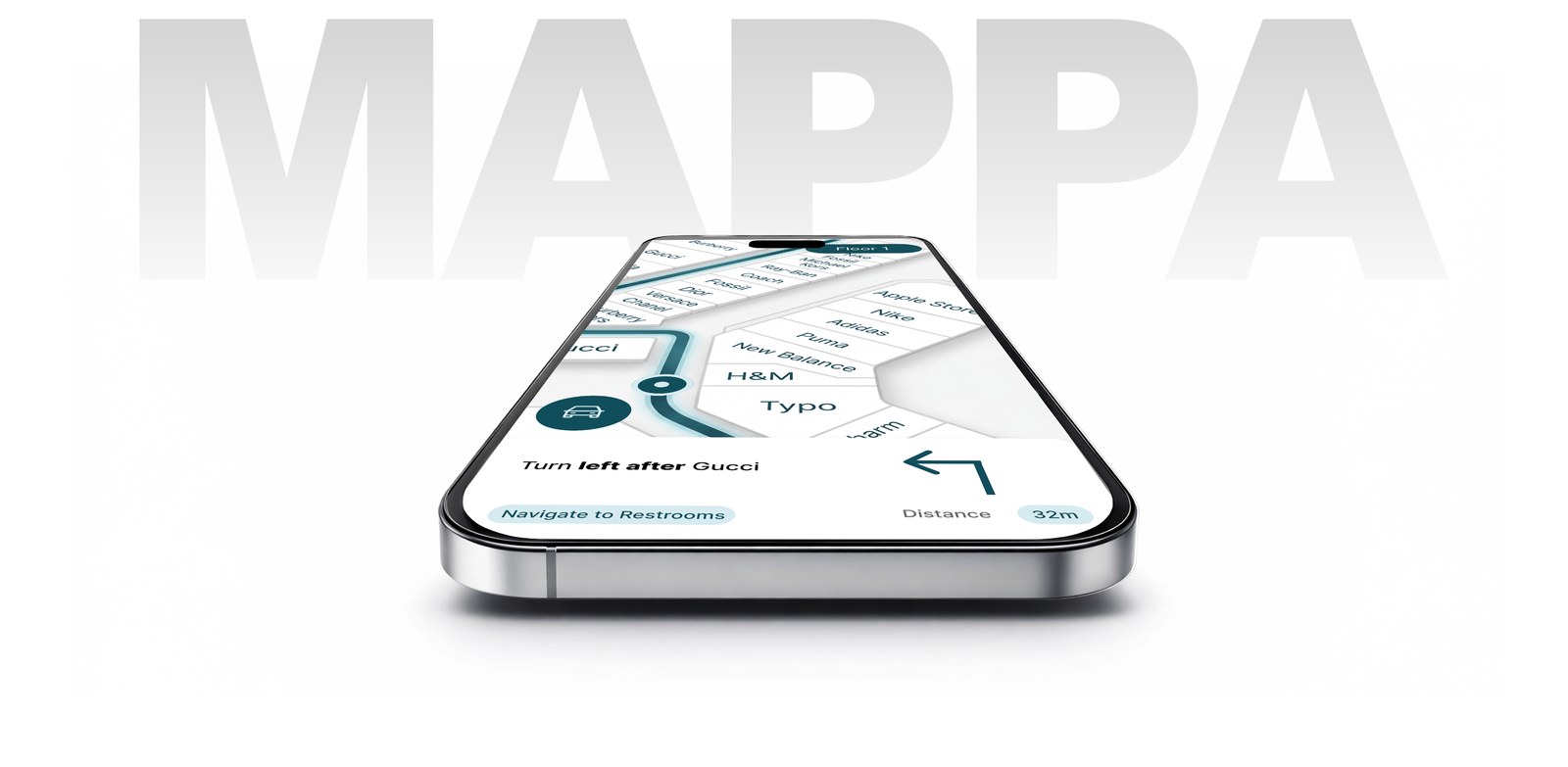
An indoor navigation app for people who find standard mapping tools overwhelming. The core insight: navigation anxiety is a spatial information problem, not a technical one. Research identified six distinct user failure modes — the interface is designed around all of them.
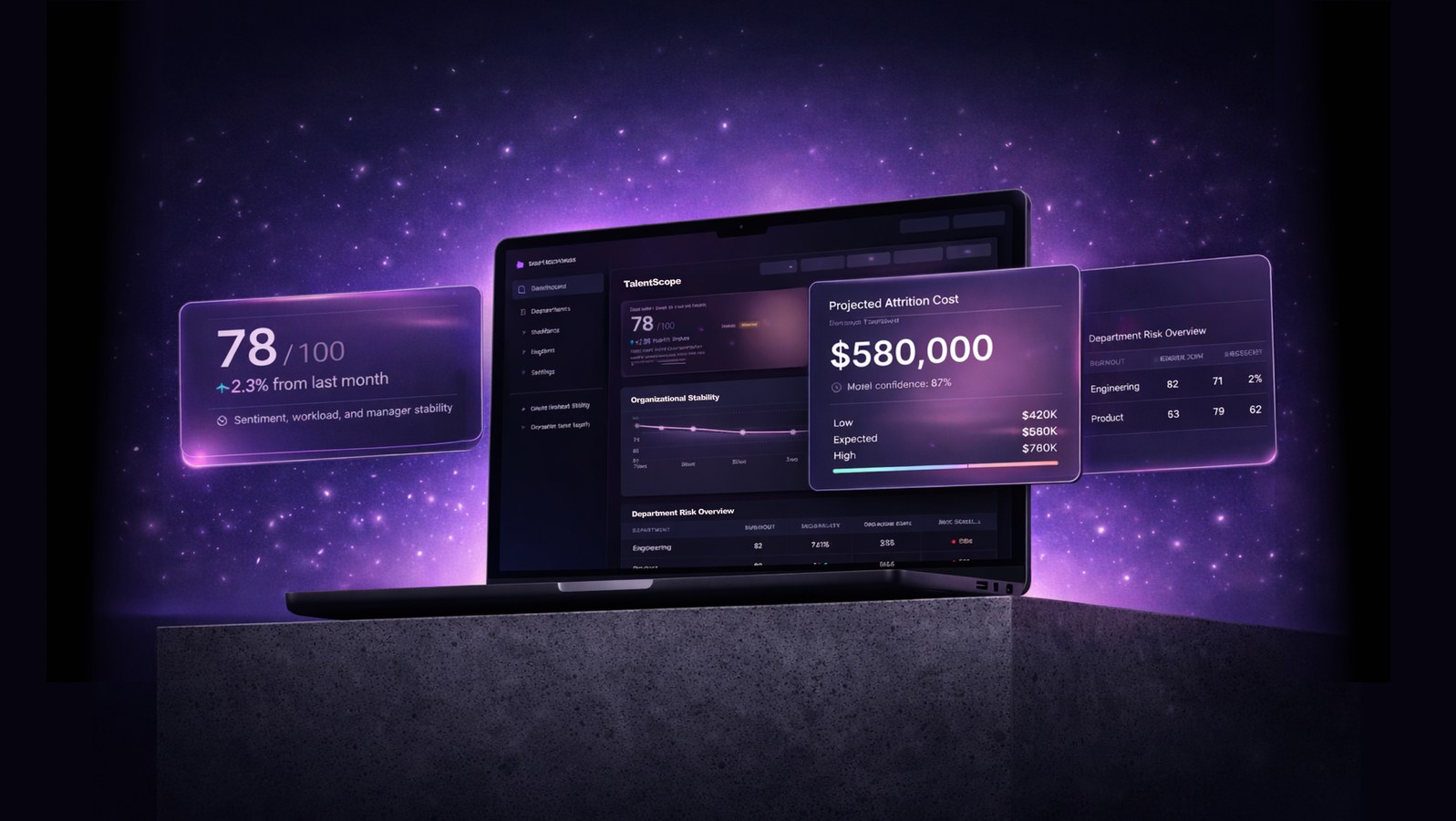
A workforce intelligence platform that surfaces attrition risk before it becomes costly turnover. Translates burnout, engagement, and departure signals into a decision-focused interface — built so leadership teams act on data rather than react to exits.
I spent over ten years as a translator and editor inside Israeli and international publishing houses — close-reading manuscripts, navigating cultural gaps that no dictionary resolves, and moving books between languages without losing what made them worth translating.
When AI tools began displacing that work, I didn't retreat. I mapped every failure point in what AI translation was producing — and built a three-engine pipeline to fix them. That work became the Editorial Engine System.
Alongside that, I completed formal training in UX/UI design — producing two full product case studies. The consistent thread across all three disciplines: designing systems that make complex, high-stakes work precise and navigable.